Pros and Cons of Using Sustainable Paper Cups in Cafes and Restaurants

You will find good and bad sides when picking sustainable paper cups for your café or restaurant. These cups are made from materials that can grow back. But making them uses lots of water and energy. Sustainable paper cups can hurt the environment more than plastic during production. Plastic containers last longer but can pollute for many years. Most disposable cups, especially paper ones, do not get recycled. They usually end up in landfills. Reusable options are the best for the environment. Recycling and throwing away cups the right way helps cut down waste and supports green habits.
Key Takeaways
- Sustainable paper cups break down faster than plastic. They help cut down on waste. This makes them a smart pick for eco-friendly businesses.
- These cups keep drinks hot or cold without needing extra sleeves. They are simple to carry. You can also add your logo to help your brand.
- Making paper cups uses more water and energy than plastic. Many cups are hard to recycle because of plastic linings. So, it is important to throw them away the right way.
- Picking certified cups from trusted suppliers keeps things safe and high quality. It also helps forests and uses materials the right way.
- Using sustainable cups can make your business look better. It can bring in customers who care about the planet. It can also make people come back if you have good recycling or composting rules.
Pros and Cons
Main Advantages
There are many good things about using sustainable paper cups in your café or restaurant. These cups help the environment and make customers happy. People want eco-friendly products. Here are some main advantages:
- Eco-friendliness: Sustainable paper cups break down faster than plastic cups. Many are compostable and made from recycled materials. This helps cut down waste and supports global sustainability goals.
- Insulation and Comfort: Double-wall and ripple-wall cups keep drinks hot or cold. You do not need extra sleeves. This saves money and makes customers more comfortable.
- Convenience and Portability: Disposable paper cups are light and easy to carry. You do not have to wash them, so you save time.
- Hygienic and Safe: Single-use cups lower the risk of germs. Leak-proof linings keep drinks from spilling.
- Customizable for Branding: You can put your logo or design on these cups. Each cup becomes a way to show off your brand.
- Affordable and Cost-Effective: These cups do not cost much to buy or use. You can serve many people without spending a lot.
- Versatility: You can use these cups for drinks, ice cream, snacks, or sauces.
Note: Many businesses, like Dunkin’ and Coffee Republic, now use sustainable paper cups. Their brands look better and they follow new environmental rules. You can get these benefits too.
|
Cup Type |
Cost Comparison |
Notes on Usage and Environmental Impact |
|---|---|---|
|
Paper Cups |
20-30% more expensive than plastic |
Higher production costs because of biodegradable or compostable materials; higher price is okay because of environmental benefits |
|
Plastic Cups |
Lower upfront cost |
Cheaper to make because of fast manufacturing; good for big events; hidden environmental costs are not shown in the price |
Main Disadvantages
You should also think about the bad sides before picking disposable paper cups. Some problems may affect your business and your green goals.
- Paper cups can get soggy if drinks stay inside too long. This makes them weaker and can cause leaks.
- Better cups that last longer usually cost more. You might have to pay extra for stronger cups.
- Some paper cups use plastic linings to stop leaks. These linings make recycling hard because most places cannot separate the materials.
- Making paper cups uses more water and energy than making plastic cups. This makes their environmental impact bigger.
- Making paper cups can cause deforestation if suppliers do not use good practices.
- Most disposable cups are hard to recycle. Many end up in landfills because recycling centers do not have the right machines.
- Paper packaging can tear easily and gets weak when wet.
Tip: You can fix some problems by picking cups made from good sources and working with suppliers who recycle and compost.
Environmental Impact
Paper vs. Plastic
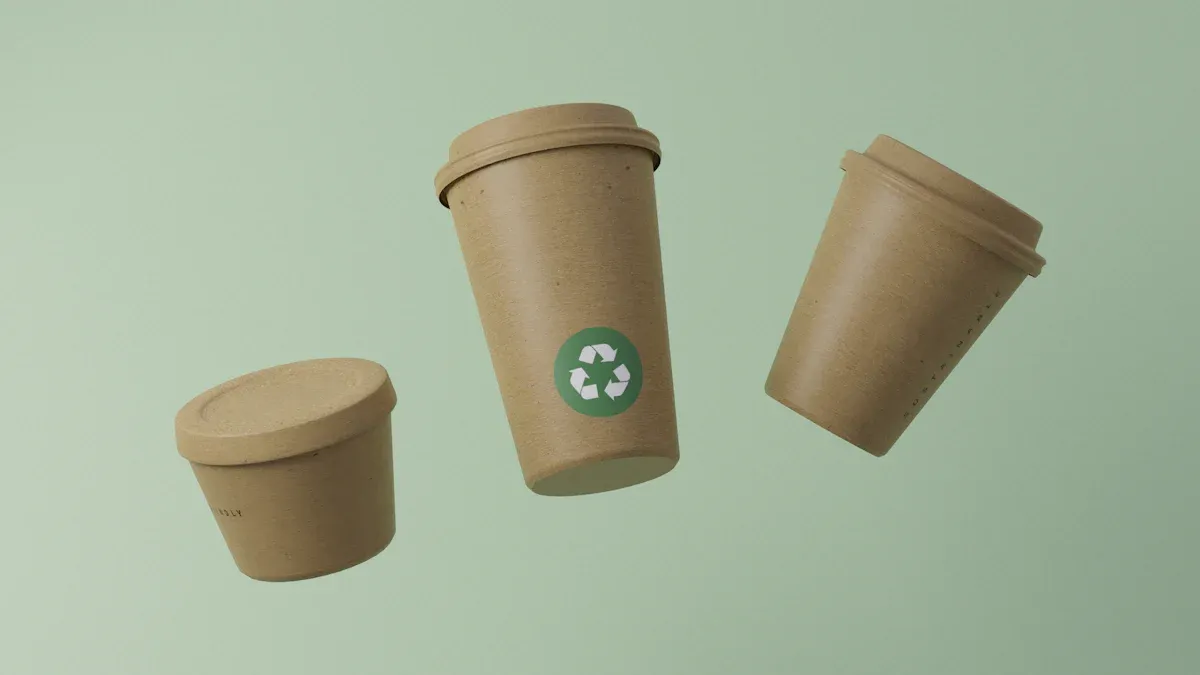
Some people think paper cups are always better for the earth than plastic cups. But the truth is not that simple. Making paper cups needs a lot of water and energy. Factories must cut down trees and turn them into pulp. They also add a plastic or wax layer to each cup. This process uses about 42% more water than making plastic cups. It also takes 1.5 times more energy. Plastic cups are made from fossil fuels, which cannot be replaced. But making plastic cups uses less water and energy. Both types of cups add to carbon pollution. Paper cups make more greenhouse gases when they are made. Reusable cups are best for the earth if you use and wash them many times.
|
Environmental Impact |
Paper Cups |
Plastic Cups |
|---|---|---|
|
Energy Consumption |
High |
Lower |
|
Water Usage |
High |
Lower |
|
Carbon Footprint |
Higher |
Lower |
|
Biodegradability |
Yes |
No |
|
Recycling Capabilities |
Limited |
Varies |
Recyclability
You might see "recyclable" on many paper cups. But most recycling centers cannot recycle them. The plastic or PLA lining inside makes it hard to pull apart the paper and plastic. Most recycling machines cannot do this job. PLA-lined cups need special composting places, but these are rare. If you put these cups in normal recycling bins, they can ruin other recyclables. So, most paper cups end up in landfills. Some companies and recycling programs are trying to fix this, but it is taking time.
Tip: Always ask your local recycling center before putting paper cups in the recycling bin.
Decomposition
Throwing away a paper cup does not end its effect on the earth. In a landfill, the plastic lining slows down how fast it breaks down. Regular paper cups can take about 20 years to break down in landfills. While breaking down, they do not get enough air, so they make methane. Methane is a greenhouse gas much stronger than carbon dioxide. In special composting places, biodegradable cups with plant linings can break down in 90 to 180 days. But most cups do not get to these places. Plastic cups take even longer to break down. They can turn into microplastics and hurt the earth for many years.
Cost and Practicality
Cost Factors
When you pick sustainable paper cups, you must think about cost. Many things can change how much each cup costs. Cups made with recyclable or plant-based linings usually cost more. Double-wall cups keep drinks hot but also cost extra. Bigger or stronger cups are more expensive than small ones. If you print your logo, it adds to the price. Buying lots of cups at once makes each cup cheaper. Certifications like FSC make production cost more. Eco-friendly ways to make cups can raise prices. New materials and high demand can change costs too. Durable cups and less waste can save money over time.
Buying in bulk helps you spend less. If you order many cups, you get discounts. This lowers the price for each cup. Long contracts with suppliers help you get better deals. You also get a steady supply of cups. Good suppliers give you high-quality cups at fair prices. Customizing cups can help your business. It may balance out the extra cost.
Durability
You want cups that last all day. Sustainable paper cups work well for one use. But they have some limits. Here is a quick look at how they compare:
|
Cup Type |
Durability Duration |
Key Durability Features |
|---|---|---|
|
Paper Cups |
Single use; lasts a few hours |
Weaken quickly, especially with hot drinks; can get soggy or tear |
|
Plastic Cups |
Moderate short-term use |
More durable and flexible; resist sogginess and tearing |
|
Reusable Cups |
Long-term (years) |
Made for hundreds of uses; highest durability |
Sustainable paper cups can get soft if drinks sit too long. The coating can wear off and cause leaks. These cups may get damaged by moisture during storage. Biodegradable coatings are not as strong as plastic linings.
Convenience
Sustainable paper cups are easy for staff and customers. They are sturdy and do not spill easily. This makes them good for busy places. You can use different lids for many drinks. Staff can recycle or compost cups if bins are available. Customers like eco-friendly cups. This helps your brand look better.
Some cafes give discounts to people who bring reusable mugs. This helps cut down on waste. It also makes cleaning up easier for staff. You can set up cup swap programs or mug libraries. This keeps things simple for everyone. The main challenge is having the right bins and teaching people how to use them. When you mix education, good bins, and rewards, you make green choices easy for your business.
Health and Safety
Material Safety
You need to make sure your cups are safe for drinks. Sustainable paper cups use many materials and coatings. Each type can affect food safety in a different way. Here is a table that lists the most common materials and how they impact safety:
|
Material/Coating |
Sustainability Aspect |
Food Safety Impact |
|---|---|---|
|
Wood Pulp/Cardboard |
Renewable, but recycling is complicated |
Safe with food-grade coatings; plastic lining can cause issues |
|
Bamboo Fiber |
Highly sustainable and biodegradable |
Naturally antimicrobial; safe for food contact |
|
Bagasse (Sugarcane) |
Compostable, reduces waste |
Durable and safe for food contact |
|
PE (Polyethylene) |
Not biodegradable, hard to recycle |
Food-grade; prevents leaks; less eco-friendly |
|
PLA (Bioplastic) |
Compostable under special conditions |
Food-grade; prevents leaks; suitable for hot/cold drinks |
|
Water-Based Coating |
Recyclable, eco-friendly |
Food-grade; prevents leakage and harmful leaching |
Most single-use paper cups use food-grade paperboard. This keeps drinks safe and follows strict rules. The FDA and other groups check these materials. They do this to protect you and your customers.
Chemical Concerns
You might worry about chemicals in cup linings. Many cups use plastic linings like polyethylene. Hot drinks can make these linings release chemicals like BPA and styrene. These chemicals may cause health problems. Some can hurt your body or raise cancer risk. Even plant-based linings like PLA can sometimes let out harmful stuff. Studies show both plastic and PLA linings can release microplastics or chemicals. This happens more when drinks are hot. Using reusable cups made from stainless steel, glass, or ceramic can help lower these risks.
Tip: If you serve hot drinks, pick cups with certified food-safe linings. You can also ask regular customers to use reusable cups.
Certifications
Certifications help you choose safe and sustainable paper cups. Look for these important certifications:
|
Certification |
Focus Area |
Key Benefits |
|---|---|---|
|
ISO 9001 |
Quality Management |
Ensures high product quality and consistency |
|
BRC |
Food Safety Management |
Guarantees safe production and strict controls |
|
ISO 22000 |
Food Safety Management |
Manages food safety hazards and proper controls |
|
FSC |
Sustainable Sourcing |
Certifies paper from responsible forests |
|
PEFC |
Sustainable Sourcing |
Supports ethical forest management |
|
SMETA |
Ethical Trade Standards |
Checks labor, health, and ethical business |
- FSC 100%: Made from new fiber from certified forests.
- FSC Mix: Uses both certified and recycled materials.
- FSC Recycled: Uses only recycled materials.
These certifications show your cups are safe and high-quality. They also show care for people and the planet. Picking certified products builds trust with customers. It also supports good business practices.
Branding and Perception
Customization
You can make your café or restaurant special with customization. Printing your logo, colors, or slogans on sustainable paper cups helps people remember your brand. Custom cups work like small ads. When customers carry your cup, others see your brand. You can pick different sizes and designs for your cups. Many businesses ask designers to help make cups look cool and unique. Custom cups are good for promotions and sharing messages online. Here are some ways customization helps your brand: show your logo and colors on every cup, use fun designs for holidays or events, team up with artists or brands for new cup styles, make cups part of loyalty programs or marketing, and use good printing to share your brand story. A study found that 71% of brands using personalization get more loyal customers. Custom cups help you reach your goals and connect with people.
Eco-Friendly Image
Using sustainable paper cups helps you look eco-friendly. Many customers want green products when they buy food or drinks. If you use cups made from renewable or compostable materials, you show you care about the earth. Big brands like PepsiCo and Dunkin Donuts now use compostable cups because customers ask for them. Research says 94% of people worry about packaging hurting the environment. If your cups have certifications like FSC, you show you care about green practices. This helps you earn trust and loyalty from eco-friendly customers. In some places, young people will pay more for green choices. Picking these cups can make your business stand out.
Customer Feedback
Customers notice when you use sustainable paper cups. Many people say they care about the earth and want to support businesses that do too. Surveys show 66% of people will pay more for products from companies that care about social and environmental issues. Younger customers, like Gen Z and Millennials, care even more about being green. They often pick places to eat based on these values. Some customers want clear instructions for throwing away cups. If you teach them how to recycle or compost, you make their experience better. You may get more good reviews and social media posts about your business. When you listen to feedback and share your green actions, you can get more loyal customers.
Choosing Sustainable Paper Cups
Key Features
When you pick sustainable paper cups, look at important features. The best cup should fit your business and local waste rules. Check this table to compare compostable and recyclable cups:
|
Feature |
Compostable Cups |
Recyclable Cups |
|---|---|---|
|
Coating Type |
Bio-based, biodegradable coating |
Mineralized liner for standard recycling |
|
Disposal Requirement |
Needs industrial composting facilities |
Accepted in regular paper recycling |
|
Regional Suitability |
Best where composting is available |
Good for areas with strong recycling programs |
|
Environmental Benefit |
Breaks down in composting |
Easily recycled, less landfill waste |
|
Business Suitability |
Great for full compostability goals |
Practical for accessible recycling |
|
Infrastructure Dependency |
High – needs local composting services |
Low – fits most recycling systems |
Look for cups made with biodegradable materials. Make sure they can handle hot drinks and do not leak. You can also print your logo or design on the cups.
Supplier Selection
Choosing a good supplier is very important. Pick suppliers with strong reputations and certifications like FSC, ISO, BRC, and OK Compost. Certified suppliers test their cups for strength and safety. They follow strict rules for the environment and product safety. Good suppliers deliver on time and offer custom designs. They use renewable materials and save energy. This helps your business stay green and trusted by customers.
Tip: Always ask for proof of certifications. Read customer reviews before picking a supplier.
Balancing Needs
You need to balance cost, sustainability, and customer happiness. Buy cups in bulk to save money and avoid running out. Choose cups that fit your drinks, like double wall cups for hot coffee. Custom printing can help your brand and make customers happy. Store cups in stackable bins to save space. Keep track of your inventory to prevent shortages or waste. These steps help your business stay efficient and eco-friendly.
You get good things and some problems with sustainable paper cups. To help the environment, put out recycling bins that are easy to see. Teach your workers how to use them the right way. Show customers where to throw away their cups. Work with local recycling centers for better results. Keep checking for new cup materials and what is popular. Rules and new ideas can change fast. If you balance cost, easy use, and being green, your business can do well and help the planet.
FAQ
What makes a paper cup “sustainable”?
A sustainable paper cup is made from things that grow back, like bamboo or recycled paper. It usually has a lining that can be composted or recycled. These cups break down faster than normal cups. Picking these cups helps the earth.
Can you recycle all sustainable paper cups?
Not every sustainable paper cup can be recycled. Many have plastic or PLA linings that most recycling centers cannot handle. Always check your local recycling rules. Look for cups that say they are recyclable or compostable.
Are sustainable paper cups safe for hot drinks?
Most sustainable paper cups work well for hot drinks. They use safe coatings to stop leaks and burns. Double-wall cups keep drinks hot and protect your hands. You can use them for coffee or tea without worry.
How do you dispose of compostable paper cups?
Put compostable cups in the green bin if your city has special composting. Do not put them in the regular recycling bin. If your city does not compost, these cups may go to the landfill.
Do customers notice when you use sustainable cups?
Customers often see and like when you use these cups. Many people want eco-friendly choices. Using sustainable cups can make your brand look better and bring in loyal customers.


