

Fastfoodpak
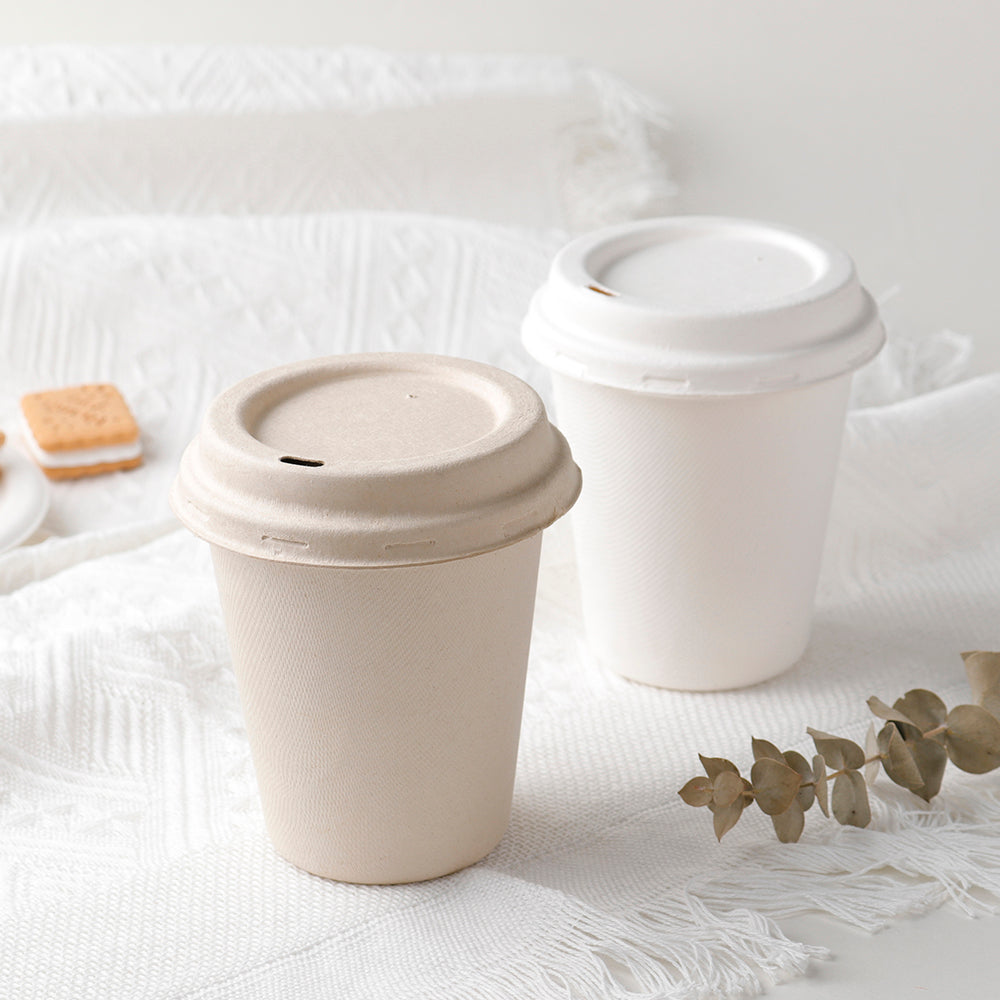
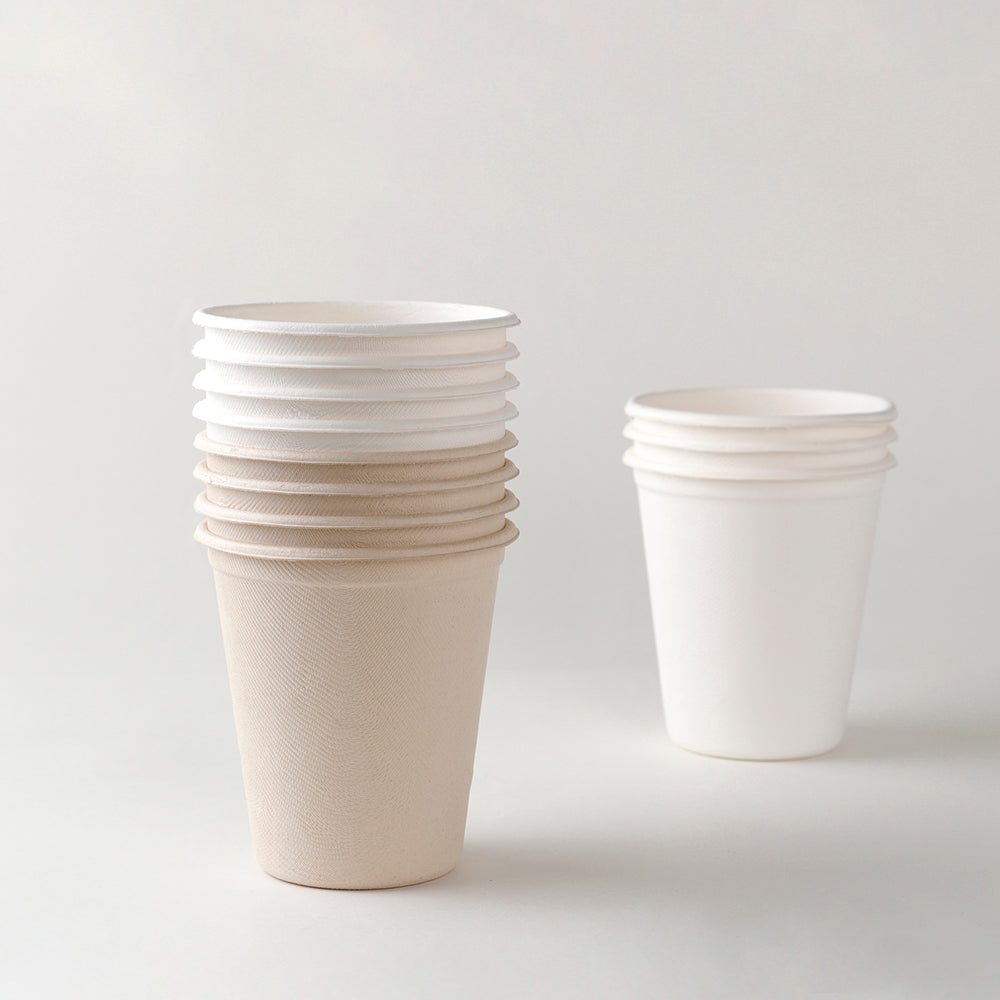
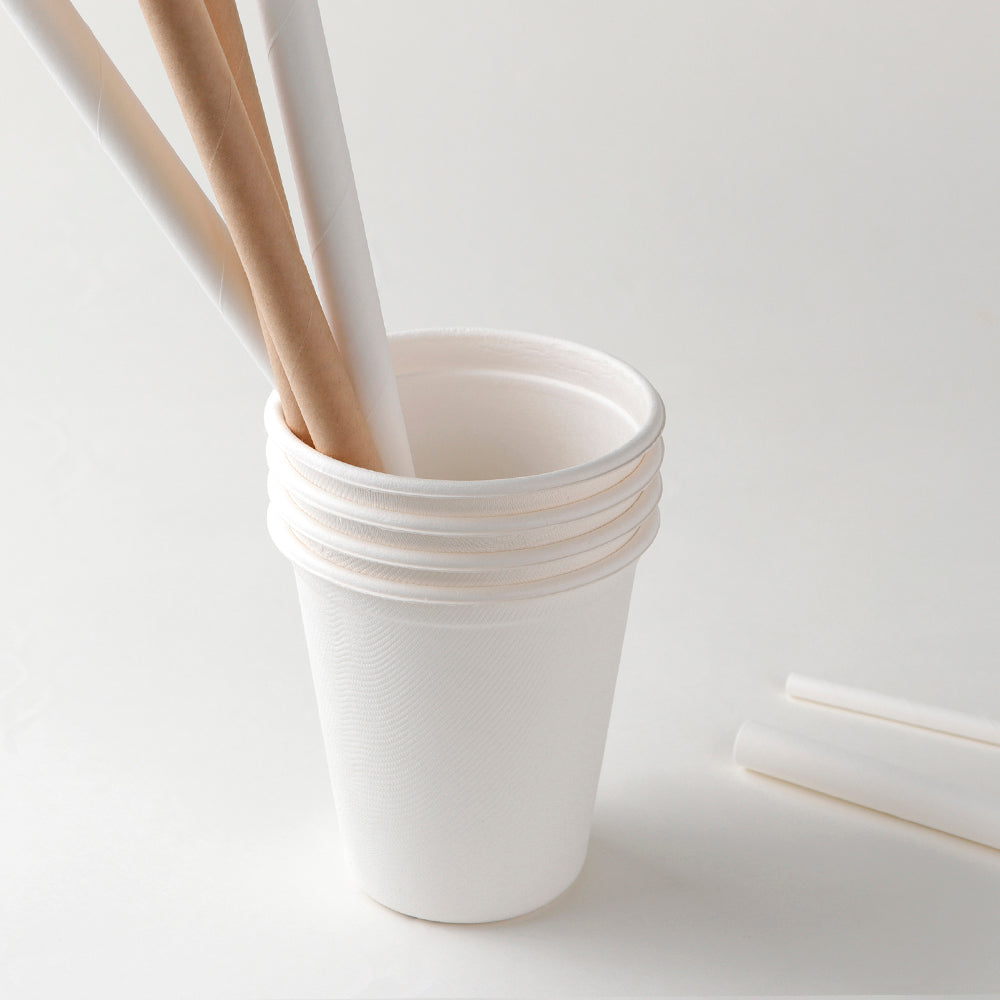
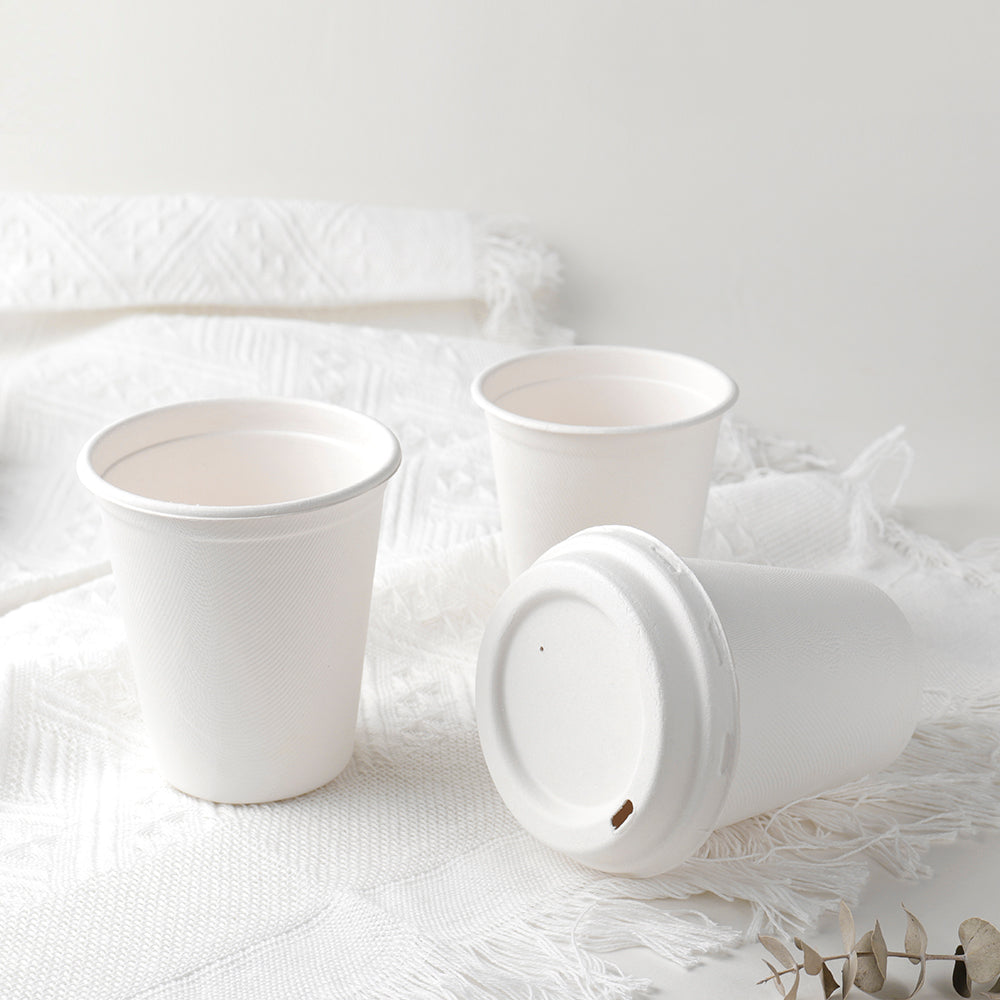
Tazas de café de papel desechables para llevar biodegradables
Tazas de café de papel desechables para llevar biodegradables
 Printing Customizable
 Material Customizable
 Capacity Customizable


No se pudo cargar la disponibilidad de retiro

Product Description
Customization Examples


Related Products


Why Choose Our Packaging Solution

10K+ Brand Cooperated
Delivered reliable packaging solutions that enhance product value, build brand recognition, and support long-term business growth.

200+ Skilled Employees
We operate as a large, professional company delivering reliable packaging solutions and dedicated support for your business success.

6 Offices Networks
With offices in China, Vietnam, Hong Kong, the USA, and the UK, we export quality packaging solutions to brands worldwide.

3 Modern Factories
Equipped with advanced production lines, our three modern factories ensure high-quality packaging and fast lead times.

Packaging Excellence You Can Rely On
At Fastfoodpak, we operate world-class manufacturing facilities equipped with advanced printing, forming, and packing lines. From design to production, our experienced team ensures your custom packaging projects are delivered with uncompromising quality and speed. Partner with us to enhance your brand with safe, eco-friendly, and cost-effective disposable food packaging solutions.


Multi-certification for Trust

One-stop Custom Packaging Solution in Markets
-

Coffees
View MoreWe provide complete packaging solutions for coffee shops, including custom printed hot cups, cold cups, cup sleeves, lids, and carry bags. Whether you’re a local café or a global coffee chain, our high-quality, food-safe packaging helps enhance your brand image and create a better customer experience.
-

Fast Food
View MoreFor fast food brands, we produce durable and practical packaging such as burger boxes, fries containers, paper cups, and takeaway bags. All can be custom printed with your logo and designs to strengthen brand recognition while ensuring convenient and safe food delivery to your customers.
-

Restaurant To-Go
View MoreWe create a wide range of takeout packaging solutions for restaurants, including paper food boxes, soup cups, beverage cups, and eco-friendly bags. Our customized packaging not only ensures food safety and leak prevention but also elevates your brand presentation for a professional to-go experience.
-

Bakery
View MoreFrom pastry boxes and paper bags to coffee cups and dessert containers, we offer tailor-made packaging for bakeries to keep your baked goods fresh and looking beautiful. Our custom designs make your packaging an extension of your brand, helping you stand out in a competitive market.


